Example
Hybrid digital texture example
A hybrid digital texture is useful as a proof page because it tests whether Studio 56 can turn abstract language like broken, glassy, unstable, or futuristic into a more concrete playable instrument brief.
This example is aimed at sound designers and producers who want texture-first instruments that still need to behave like something playable.
Sound brief
The user wants a playable texture instrument that feels specific and modern, not a generic digital patch category.
Brief
Build me a hybrid digital texture synth with glassy highs, unstable movement, and enough body to play sustained notes without collapsing into noise.
What Studio 56 produced
The concept leans toward an unstable, glassy, playable synth rather than a pure FX tool. The current public product still frames this inside a synth-first workflow with standalone Mac output first.
- Brief to standalone Mac synth
- VST3 export path on Pro
- Texture-led but still playable instrument framing
Proof assets
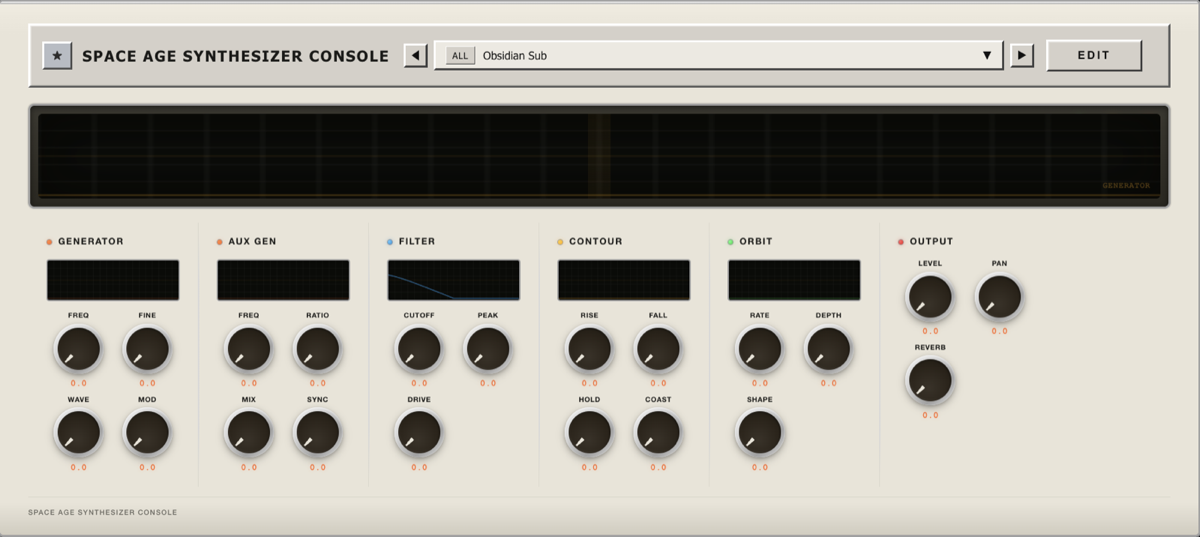
Interface direction for the hybrid digital texture proof page.
Best for
These are the clearest workflow fits for this page right now.
- Hybrid intros, transitions, and cinematic texture layers
- Producers who want more identity than a generic digital preset
- Sound designers exploring unstable playable tones
Current limitations
This page should stay clear about what Studio 56 does not claim yet.
- The public workflow is strongest today for synth instruments rather than a broad audio effect platform.
- Audio Unit export and public Windows builds are not part of the current public release.
- The current beta targets macOS 12+ on Apple silicon.
Keep exploring
Follow the closest product, comparison, and proof pages from here.
See the closest use-case page
Move from this proof page into the audience page that best matches the workflow.
Open use-case pageRead the closest comparison page
Use the comparison page to qualify when this workflow fits better than nearby alternatives.
Open comparison pageGet Studio 56 for Mac
Try the Mac beta and move from example-page understanding to the actual product flow.
Get Studio 56 for Mac